



Dried Hawthorn Berries (山楂), also known as Shan Zha, are fruits from the Rosaceae family of trees which grow in temperate regions in Asia, North America and Europe.
Being a nutrient-rich berry, their sweet and tart-like flavour is ideal for a variety of cooking dishes and drinks. From a vibrant herbal tea to a sweet treat sensation, it's incredibly easy to use hawthorn berries in even the simplest of recipes.
So, to tantalise your taste buds, here is our ultimate guide on this versatile Eastern herb...
What are dried hawthorn berries?
The Hawthorn plant is typically grown at between 400 and 1000 metres above sea level along hillsides and mountainous regions.
For thousands of years within Traditional Chinese Medicine, this herb has held a well documented place in classical texts, with the earliest recorded use of dried hawthorn berries being as early as 659 A.D.
Many have described these nutrient-rich berries as having a mild sweetness, with a tangy and slightly tart taste.

Why Are Dried Hawthorn Berries So Popular?
Hawthorn is naturally packed with flavonoids and other naturally occurring plant compounds, and the berries have been part of both the Chinese and Western herbal traditions for centuries.
In Western folk herbalism the berry picked up the affectionate nickname "the heart's best friend", a piece of folklore that speaks to how long it has been cherished. In Chinese tradition, Shan Zha is best known for a different reason: it is the berry classically served after rich meals.
- Traditionally served after heavy or rich meals in Chinese cooking
- A naturally tangy, low-fuss snack straight from the pack
- A source of naturally occurring flavonoids and plant compounds
- A staple of traditional teas, jams and sweet treats
In addition, dried hawthorn berries are suitable for vegans and gluten-free.

How Can I Use These Products in Everyday Cooking?
From a delightful herbal tea to a sensational sweet treat, here are some fantastic fast ways to use dried hawthorn berries in everyday dishes.
Hawthorn Herbal Tea
Simple but effective, this traditional herbal tea recipe can revitalise your soul in just a couple of sips. You can also combine with these:
- dried rosebuds
- dried goji berries
- dried chrysanthemum flower buds
- dried Chinese day lily buds
- dried orange peel
as complimentary herbs in your tea. Here's how to make this fruity beverage, to be enjoyed any time of the day...
What You'll Need
- 10g dried hawthorn berries
- 500ml water
- Rock sugar (to taste)
Method
- Rinse the dried hawthorn berries, then place in a pot
- Add the 500ml into the pot and boil on a low heat for around 10-15 mins
- After 5 minutes, add the rock sugar and stir occasionally
- Once boiled, strain and cool before consumption
- Serve into your favourite mug and enjoy!
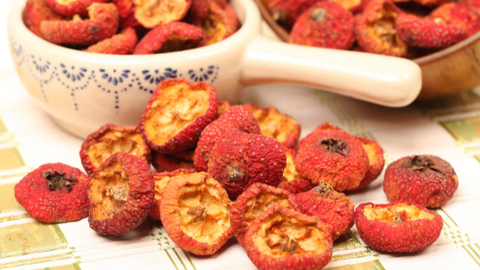
On-The-Go Snack
Instead of reaching for your second chocolate bar of the day, consider swapping to a handful of dried hawthorn berries as a natural alternative...
What You'll Need
- Handful of dried hawthorn berries
Method
- Put a handful of dried hawthorn berries in a bowl
- Serve and enjoy!
Related Products: Dried Hawthorn Berries Granules

Hawthorn & Honey Congee
The perfect 'get up and go' breakfast option, set yourself up for a big day ahead with this delicious congee...
What You'll Need
- 30g dried hawthorn berries
- 100g sweet rice
- Honey to taste
- Bowl of water
Method
- Wash and rinse the sweet rice
- Pour the rice into a large pot, then add the bowl of water
- Bring this mixture to the boil on a high heat, then add the dried hawthorn berries
- Once the berries are added, bring the pot down to a low heat and continue to cook until a broth starts to form, then remove from heat
- Allow the congee to cool for a couple of minutes
- Add the honey to taste and stir the mixture
- Serve and enjoy!
More Creative Ways to Use Hawthorn Berries
- Jam, Jelly & Fruit Leather – thanks to their natural pectin, hawthorn berries set beautifully, which makes them ideal for jam or even chewy fruit leather.
- Homemade Ketchup – simmered with vinegar, sugar and spices, the berries turn into a tangy sauce that's brilliant with roast dinners.
- Sweet Treats – fold the berries into cakes or muffins, or cook them down into a filling for pastries.
- Tinctures & Tonics – traditionally, people also steep hawthorn in alcohol or water for several weeks to create a concentrated liquid.
How Can I Get Hold of Dried Hawthorn Berries?
Spotting Hawthorn in the Wild
If you're the adventurous type, hawthorn is easy to recognise: thorny hedges, lobed green leaves, and clusters of bright red berries that show up in late summer and autumn. Just make sure you're picking from clean areas, away from roads and sprays.
A Few Cautions
While hawthorn is generally gentle, it can interact with heart and blood pressure medicine, so it's always best to double-check with a doctor if you're on any treatment. The seeds also hold tiny amounts of compounds you don't want too much of, so it's wise not to crunch through them in large numbers.
Storing Dried Berries
Once dried, the berries keep well if you store them in a sealed jar in a cool, dark cupboard. They'll be fine for up to two years, though the flavour and aroma are at their best in the first year.
Dried Hawthorn Berries are available from Vita Herbal Nutrition in the following formats:
- Dried Hawthorn Berries 山楂 (Shan Zha) | (100g)
- Hawthorn Berries (Shan Zha) Concentrated Granules | (100g bottle)
FAQs
1. What do dried hawthorn berries taste like?
They're sweet with a sharp edge, think of a cross between an apple and a cranberry.
2. Can I snack on them as they are?
Yes, you can eat them straight from the bag, though most people prefer them in teas, jams or cooked dishes.
3. Are they safe for everyone?
For most people, yes. But if you're on medication for your heart or blood pressure, check with your GP first.
4. How much should I have in a day?
A small handful (about 10–15 g) or a cup or two of hawthorn tea is a typical daily amount.
5. Why are they served after meals?
In traditional Chinese cooking, hawthorn is often served after heavy meals, where it is traditionally associated with helping the stomach settle after rich food.
Summary
Now that you've got some great ways to incorporate this versatile herb into your daily routine, show off your skills to your friends and family!
Shop DaoDi Culinary Herbs Here
For any further queries regarding our natural herbal supplements or any of our products, please email info@vitaherbalnutrition.com and we'll be happy to help.
Important: These are food supplements, not medicines, and are not intended to diagnose, treat, cure, or prevent any disease. Enjoy as part of a varied, balanced diet. If you have a medical condition, are pregnant or breastfeeding, or take medication, speak to your GP before use.
I want to make TANGHULU candy. It is made traditionally with hawthorn berries. Can these dried berries be reconstituted to make the candy ?