It’s a lovely time of year to eat barley and this one is also gluten free, this was a lovely soup
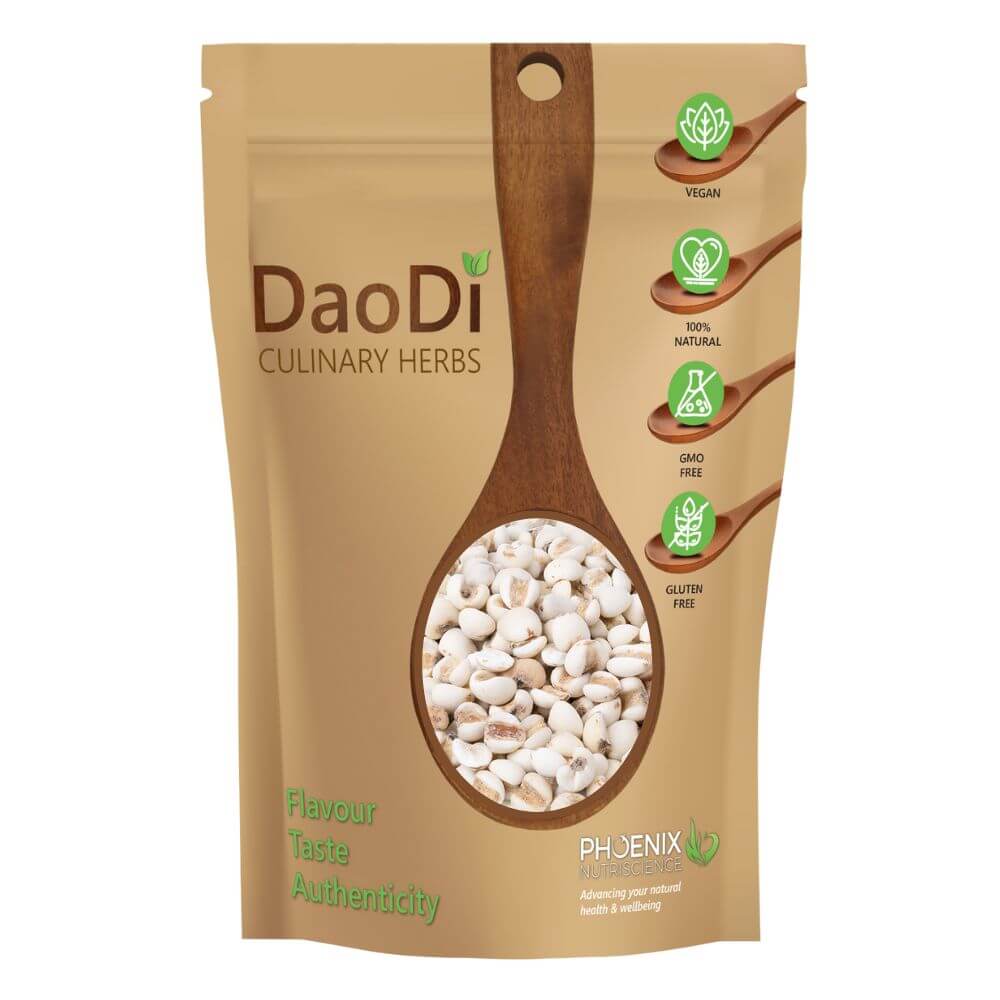
Dried Coix Seeds (Job's Tears/Yi Yi Ren/Chinese Pearl Barley) | (100g)
This store requires javascript to be enabled for some features to work correctly.

Shop by range
Herbs A to Z
Best sellers



This site is protected by hCaptcha and the hCaptcha Privacy Policy and Terms of Service apply.
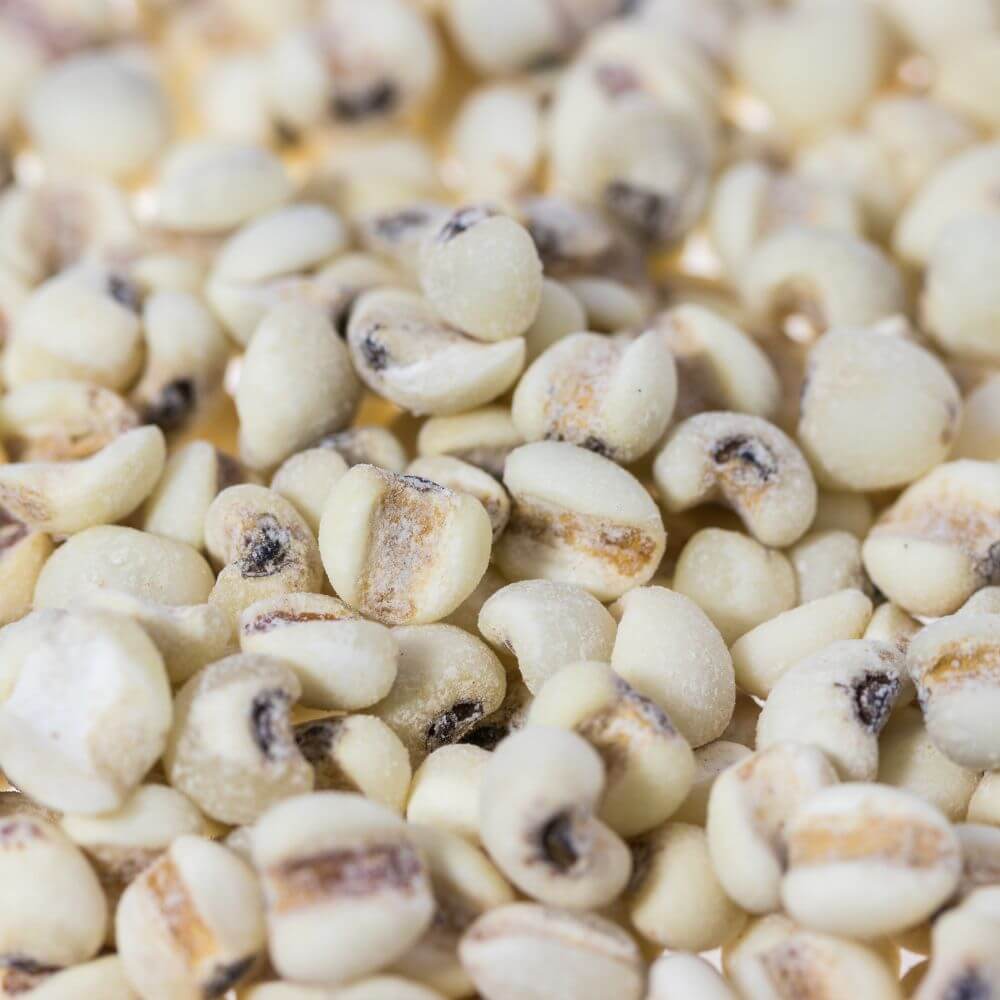
Dried Coix Seeds, also known as Job’s Tears, Yi Yi Ren, or Chinese Pearl Barley, have been part of Asian kitchens for hundreds of years. These pearl-like grains carry a mild, nutty taste that slips easily into porridge, teas, or soups. This 100g pouch is a handy size if you’re curious to try them out or if you simply like to keep a few authentic DaoDi culinary herbs for cooking tucked in your cupboard.
In many households, Yi Yi Ren went straight into the pot, whether that was a steaming breakfast porridge, a clear broth, or a light summer tea. Over generations, it became known as one of those culinary herbs that felt both everyday and special, enjoyed as much for its grounding qualities as for its flavour.
Cooling: In traditional classification, Dried Coix Seeds are described as slightly cooling, and they are often enjoyed in light summer teas.
Traditional Use: Job's Tears are valued in Chinese herbal practice and are commonly cooked into porridge and congee.
Nourishment: Dried Coix Seeds are a source of dietary fibre and plant protein, and are naturally low in fat.
Daily Routine: Job's Tears are often enjoyed as part of a balanced daily routine, from breakfast porridge to clear broths.
Versatile: Dried coix seeds can be brewed into tea, stirred into soups and stews, or mixed into rice.
Traditionally, Job’s Tears have been valued in Chinese herbal practice and associated with a sense of balance. People still turn to them as one of the best culinary herbs in the UK for blending into nourishing recipes, thanks to their light texture and subtle, nutty flavour.
You can brew a simple tea with a handful of Yi Yi Ren or stir them into soups and stews for a wholesome edge. Some people even mix them into rice for extra bite. Their taste is gentle, which means you can keep it simple or pair them with stronger flavours.
This smaller pouch is ideal if you’re new to Yi Yi Ren or only want a modest amount. It’s easy to store, resealable, and perfect for experimenting with teas or recipes without committing to a bigger bag.
Yi Yi Ren is one of a group of mild, starchy ingredients traditionally cooked together in congee and tonic soups. All are stocked here in matching 100g packs:
Every herb we sell at Vita Herbal Nutrition is non-sulphur treated and chosen for use in the kitchen and in traditional preparation.
We offer a completely sulphur-free herb collection. Unlike many others who use sulphur to improve appearance and extend shelf life, this treatment can affect the herb’s natural properties and may trigger allergic reactions in sensitive individuals. You can read more on our non-sulphur treated herbs page.
We follow the DaoDi principle of choosing each herb from the area traditionally associated with it, and we have worked with the same supply partners since 2010.
What do Coix seeds taste like?
Nutty, mild, and slightly smooth, not unlike barley, but lighter.
How can I use Yi Yi Ren in my diet?
Chinese pearl barley can be simmered into porridge, brewed into tea, or added to soups and stews for a potentially comforting addition to meals.
How are Coix seeds traditionally used?
They have been used in traditional preparations and are often enjoyed as part of a balanced daily routine.
Do they contain any key compounds?
Coix seeds may contain plant-based compounds that contribute to their long-standing use in traditional practices.
Are Coix seeds suitable for a plant-based diet?
Job's Tears are entirely plant-derived and can be used in vegan and vegetarian recipes.
Is Chinese pearl barley the same as barley?
No. Coix seeds are often sold as Chinese pearl barley because they look and cook similarly, but they come from a different plant. If you want true barley, that is our Dried Barley Grain (Mai Ya Chao).
What is the difference between the 100g and 500g packs?
Only the quantity. Both are the same seeds, so the 500g pack is simply the bulk option.
Overall rating: 5.0 / 5 from 4 reviews.
It’s a lovely time of year to eat barley and this one is also gluten free, this was a lovely soup
Dried Coix Seeds (Job's Tears/Yi Yi Ren/Chinese Pearl Barley) | (100g)
This is so tasty. So far I’ve added it to soups, stews and stir frys and it really has enriched the flavour. I initially purchased this for health benefits and am so pleased it tastes so good too
Dried Coix Seeds (Job's Tears/Yi Yi Ren/Chinese Pearl Barley) | (100g)
Excellent product Will need to use it long term to see the greater benefits
Dried Coix Seeds (Job's Tears/Yi Yi Ren/Chinese Pearl Barley) | (100g)
Great quality!
Dried Coix Seeds 薏苡仁 (Job's Tears/Yi Yi Ren/Chinese Pearl Barley) | (100g)


Be the first to hear about new arrivals, seasonal recipes and special offers.

Authentic, sulphur-free Chinese herbs, dried fruits and botanicals, sourced at origin since 2010.
Email us at info@vitaherbalnutrition.com and we will be happy to help.
VAT number GB453653974